
Wondering if Botox fits your aesthetic goals? This straightforward guide explains how it works, what to expect, and essential aftercare so you can decide with confidence.
Botox is a popular, non-surgical option that softens lines caused by repeated facial movement. It gently relaxes overactive muscles so skin looks smoother and refreshed. This guide walks through the essentials so you know what Botox can — and can’t — do. For a personalized plan, teams like Two Chicks Aesthetics can help you explore options.
What Is Botox and How Does It Work? A Simple Guide to Neuromodulators
Botox is a neuromodulator that reduces nerve signals to targeted muscles, causing them to relax. That relaxation softens expression lines and smooths the skin, especially lines that deepen over time. Knowing this helps set realistic expectations for results and the treatment plan.
Extensive research describes how botulinum toxin reduces muscle activity — the scientific basis for its medical and cosmetic uses.
Botulinum Toxin: Molecular Basis of Acetylcholine Inhibition
This paper explains how botulinum toxin blocks acetylcholine release, a key mechanism behind muscle relaxation and clinical effectiveness.
Synaptic transmission: inhibition of neurotransmitter release by botulinum toxins, 2003
What Are Botox, Jeuveau, and Dysport? A Botox Guide to FDA-Approved Options
Botox, Jeuveau, and Dysport are different FDA-approved neuromodulators. Your injector will recommend which product best matches your anatomy and goals.
| Product | FDA Approval | Common Uses |
|---|---|---|
| Botox | Yes | Softening wrinkles (forehead, frown lines, crow’s feet); also used for chronic migraine and hyperhidrosis. |
| Jeuveau | Yes | Approved for temporary improvement in the appearance of moderate to severe glabellar (frown) lines in adults. |
| Dysport | Yes | Used for wrinkle reduction (notably frown lines), certain muscle disorders like cervical dystonia, and excessive sweating. |
There are several FDA-approved options; your injector will tailor the choice and dosing to your face and goals.
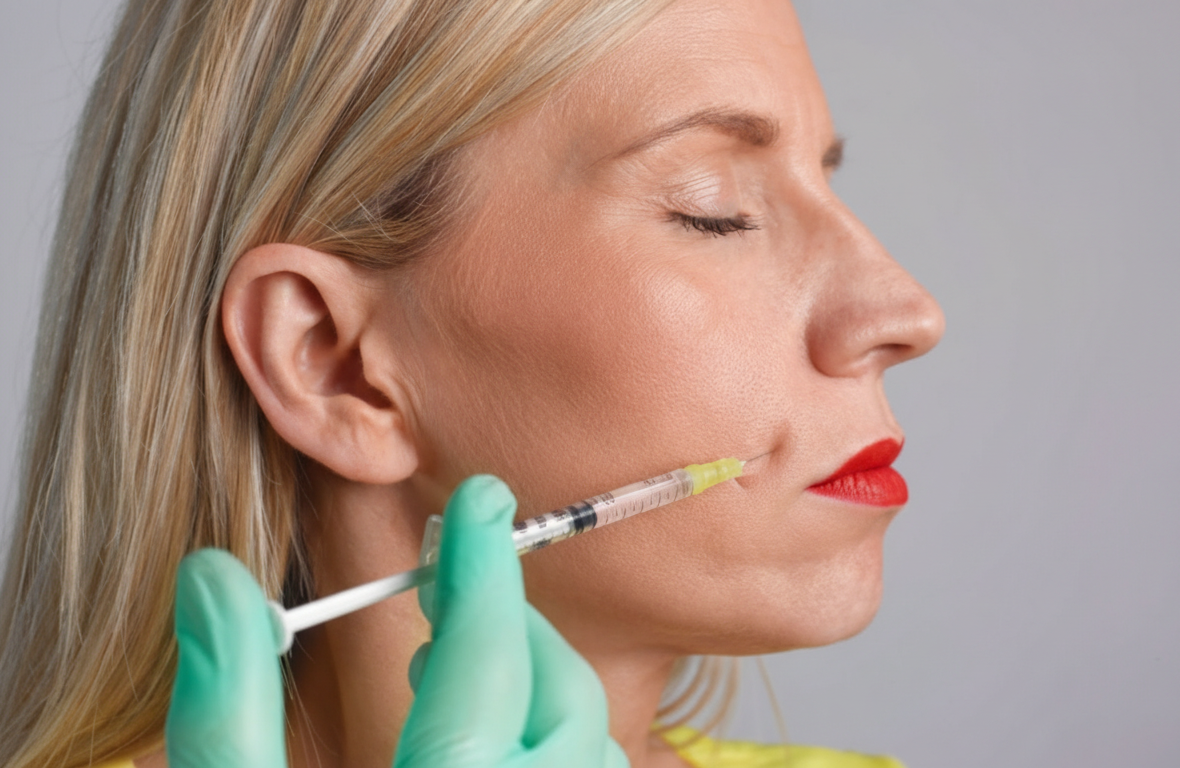
Neuromodulators can also be subtle sculpting tools. A lip flip relaxes the upper lip muscle to create the appearance of a slightly fuller lip without adding volume — a nice complement to other treatments.
How Botox Smooths Dynamic Wrinkles and Supports Natural Aging
Botox targets muscles that pull and crease the skin when you make expressions. Over time, repeated movement can turn those dynamic lines into permanent (static) wrinkles. By relaxing the muscles, Botox softens existing lines and helps prevent deeper creasing. Many clients like the refreshed, natural result — without surgery or downtime.
Common Botox Treatment Areas
Typical areas where Botox is commonly used to achieve natural-looking results
| Area | Description | Goal |
|---|---|---|
| Forehead Lines | Horizontal bands that appear across the forehead when you raise your eyebrows. | Smooth these lines for a more relaxed, youthful look while preserving natural movement and avoiding a “frozen” appearance. |
| Frown Lines (Glabellar Lines) | Vertical lines between the brows — the so-called “11s” from frowning or concentrating. | Soften the area to reduce a stern or worried look and create a friendlier expression. |
| Crow’s Feet | Fine lines radiating from the outer eye corners, most visible when smiling or squinting. | Soften these lines to refresh the eye area while keeping genuine expression intact. |
| Bunny Lines | Diagonal creases on the sides of the nose when you scrunch or wrinkle it. | Minimize these lines for a smoother, more polished nasal area. |
| Lip Flip | A small amount of Botox relaxes the muscle above the upper lip so it gently “flips” upward. | Create the look of a fuller upper lip and reduce a gummy smile without adding filler — a subtle, natural result. |
Am I a Good Candidate for Botox? A Botox Guide to Candidacy
Whether Botox is right for you depends on your health, age, and aesthetic goals. A thorough consultation with a qualified provider who reviews your medical history and expectations is essential for safety and the best outcome.
Age and Health Considerations
Botox is FDA-approved for adults 18 and older. Certain conditions — like neuromuscular disorders, specific allergies, pregnancy, and breastfeeding — make treatment inappropriate. An experienced provider will review your full medical history to confirm safety and suitability.
How Skin Concerns and Goals Affect Candidacy
Botox works best for dynamic lines (forehead, frown lines, crow’s feet) and for preventing deeper static wrinkles. If your main concern is lost volume, skin laxity, or deep, static folds, dermal fillers or skin-tightening treatments may be a better option. A personalized consultation determines the right combination for your face and goals.
For restoring definition or volume, jawline and chin filler can balance the lower face and often pairs well with neuromodulator treatments.
Benefits and Risks of Botox: Your Botox Guide to What to Expect
Botox offers both cosmetic and medical benefits. Knowing the typical results and potential side effects helps you decide if it fits your needs.
Cosmetic and Medical Benefits
- Wrinkle Reduction: Softens lines created by facial movements for a fresher, more rested appearance (forehead, brows, eyes).
- Preventative Aging: Starting in your late 20s or 30s can slow the deepening of expression lines and help prevent static wrinkles later on.
- Medical Uses: Beyond appearance, Botox is FDA-approved for chronic migraines, hyperhidrosis (excessive sweating), and certain muscle spasticity disorders, offering meaningful symptom relief.
Common Side Effects and How Safety Is Maintained
When given by trained professionals, Botox is generally safe. Mild, temporary side effects can occur:
- Bruising at Injection Sites: The most common minor effect; usually resolves in a few days. Avoiding blood thinners before treatment can reduce this risk.
- Headache: Occasionally reported after treatment and typically resolves within 24–48 hours.
- Drooping Eyelids (Ptosis): Rare and usually temporary; careful injection technique and proper placement limit this risk.
Careful assessment, precise dosing, and an injector who knows facial anatomy well are the best ways to minimize risks.
Key Safety Precautions
To keep treatments safe and effective, remember these precautions:
- Select a Certified Provider: Choose a licensed, experienced professional who specializes in aesthetic injections. Verify credentials and training.
- Full Medical Disclosure: Share your complete medical history, allergies, and current medications during the consult — it’s critical for safety.
- Pre-Treatment Guidelines: Follow instructions from your provider, including avoiding certain blood thinners and supplements before your appointment.
- Post-Treatment Care: Stick to aftercare recommendations: avoid rubbing or massaging treated areas, lying flat, strenuous exercise, and excessive heat for the advised time.
- FDA-Approved Products: Confirm your injector uses genuine, FDA-approved neuromodulators and proper storage/handling practices.
- Report Concerns: Contact your provider promptly for any severe, persistent, or unexpected symptoms so they can assess and advise.
Preparing for Your First Botox Treatment: A Botox Guide to Practical Steps
Simple preparation steps reduce risk and improve your experience. Review them with your provider before your appointment.
Medications and Lifestyle to Avoid Before Treatment
To reduce bruising and bleeding risk, consider avoiding the following before treatment:
- Blood thinners: Skip OTCs like aspirin, ibuprofen, and other NSAIDs when advised. Check with your doctor before stopping any prescribed medication. Supplements such as Vitamin E, fish oil, and ginkgo biloba can increase bruising.
- Alcohol: Avoid drinking for 24–48 hours before treatment — it thins the blood and raises bruising risk.
- Smoking: Avoid smoking before and after treatment to support healing and extend results.
Always follow the specific pre-treatment instructions your injector provides, tailored to your health and medications.
What Happens During Consultation and Injection
Your consultation covers goals, medical history, and expectations. The injection visit is efficient and typically includes these steps:
- Cleansing the area: The skin is carefully cleaned with antiseptic to reduce infection risk.
- Marking injection sites: Your provider assesses muscle movement and marks precise injection points for symmetry and accuracy.
- Administering Botox: Small, targeted injections are given with fine needles. Most people describe mild pinches; discomfort is brief.
Appointments usually take 10–30 minutes. You can return to most daily activities right after, following your provider’s aftercare instructions.
Aftercare: Your Botox Guide to Protecting Your Results
Following aftercare recommendations helps the product settle where intended and supports clean, long-lasting results.
Aftercare Best Practices
Right after treatment, follow these steps to optimize results and reduce side effects:
- Don’t touch the area: Avoid rubbing, massaging, or putting pressure on treated sites for 24 hours to prevent migration.
- Stay upright: Remain upright for 4–6 hours after injections; lying down can increase the chance of product movement.
- Avoid strenuous activity: Skip intense exercise and heavy lifting for 24 hours to limit swelling and bruising.
- Avoid excessive heat: Hold off on hot showers, saunas, and direct sun exposure for 24 hours so the product can settle properly.
These simple precautions help Botox settle in place and support the best outcome.
How Long Results Last and When to Schedule Touch-Ups
Results typically last three to four months, though individual factors like metabolism, treatment area, and dosage affect duration. Many clients return every three to four months to maintain consistent results and prevent lines from fully returning.
Botox Treatment Timeline: What to Expect
Understanding the stages of your Botox journey from consultation to maintenance
| Stage | Timing | Details |
|---|---|---|
| Consultation | Before treatment (typically 15-30 minutes) | A focused discussion of your goals, a review of medical history, and an assessment of candidacy. Your provider will outline a personalized plan. |
| Treatment Session | 10-30 minutes | The injection visit: cleansing, precise marking, and targeted injections with fine needles. Discomfort is usually minimal. |
| Onset of Results | 3-7 days post-treatment | You’ll notice gradual softening of lines as the neuromodulator takes effect and muscle activity decreases. |
| Full Results Visible | 10-14 days post-treatment | The maximum effect typically appears, with treated areas looking smoother and more relaxed. This is a common time for follow-up photos or checks. |
| Duration of Results | 3-4 months (individual variation) | Effects fade gradually as your body metabolizes the product and muscle activity returns; lines reappear over time. |
| Follow-up/Touch-up | Every 3-4 months, or as needed | Schedule repeat treatments to maintain your desired look. Regular maintenance helps keep results consistent. |
Why Choose Two Chicks Aesthetics for Your Botox Guide
Experience and technique matter for safe, natural-looking results. Two Chicks Aesthetics combines clinical training with a warm, individualized approach. We listen to your goals and deliver refreshed results that enhance your unique features — never overdone.
Our Nurse Practitioners’ Qualifications
Our nurse practitioners hold specialized training and extensive hands-on experience in aesthetic injections. Their deep knowledge of facial anatomy and refined technique help produce balanced, natural outcomes. We prioritize ongoing education to stay current with best practices.
Competencies for Botulinum Toxin and Dermal Filler Providers
This guidance highlights essential skills, training, and ethical standards for safely administering botulinum toxin and fillers. Experienced providers emphasize practiced technique, continued learning, and patient safety for the best aesthetic results.
What are the necessary practice competencies for two providers: dermal fillers and botulinum toxin type A injections?, 2010
How We Create Natural, Personalized Results
Our process starts with a thorough consultation to learn your facial structure, concerns, and goals. We tailor treatments to your anatomy and muscle dynamics, using evidence-based techniques and FDA-approved products. The aim is subtle, lasting improvements that preserve natural expression — a refreshed, authentic you.
Frequently Asked Questions
What Should I Expect During My First Botox Treatment?
Your first visit includes a consultation about goals and medical history, followed by quick injections (10–30 minutes) with fine needles. You’ll feel brief pinches but minimal discomfort. We’ll give clear aftercare instructions so you get the best result.
How Do I Choose the Right Botox Provider?
Safety and results start with the right provider. Look for licensed, experienced, and board-certified professionals. Read reviews, ask about their injection experience, and make sure you feel comfortable and confident in their care. A good provider prioritizes patient education and safety.
Are There Alternatives to Botox for Wrinkle Reduction?
Yes. Dermal fillers restore volume and smooth static lines; chemical peels and lasers improve texture and stimulate collagen; topical retinoids and peptides support skin health. Your provider will recommend the best combination for your concerns.
What Should I Do If I Experience Side Effects After Botox?
Most side effects (mild bruising, short-lived headache, temporary drooping) resolve in days to weeks. Contact your provider right away for severe, persistent, or unexpected symptoms so they can assess and advise the appropriate next steps.
Can Botox Be Used Preventatively?
Yes. Preventative Botox is increasingly common — many start in their late 20s or early 30s to soften repetitive lines before they become permanent. Relaxing expression muscles can be an effective part of a long-term anti-aging plan.
When Should I Schedule My Next Botox Treatment?
Botox typically lasts three to four months. Schedule a follow-up when lines begin to return or results fade. Many clients book appointments every three to four months to maintain a consistent, refreshed appearance.